Call for Papers
Building the next generation of graph-aware, language-enabled, structurally grounded AI systems.
About GNN-LLM-SYN
Graph Neural Networks excel at modeling structured relationships and reasoning over discrete entities, while Large Language Models demonstrate exceptional capabilities in understanding unstructured text and generating human-like content. The synergy between these two paradigms creates new opportunities for advanced reasoning, representation learning, structural knowledge modeling, and reliable AI-driven applications.
This workshop invites original research on how GNNs can enhance LLMs with dynamic, graph-based reasoning, and how LLMs can empower GNNs with semantic understanding, natural language generation, and adaptive knowledge transfer. We especially welcome work that connects GNNs, LLMs, and Graph Foundation Models to solve complex, real-world problems.
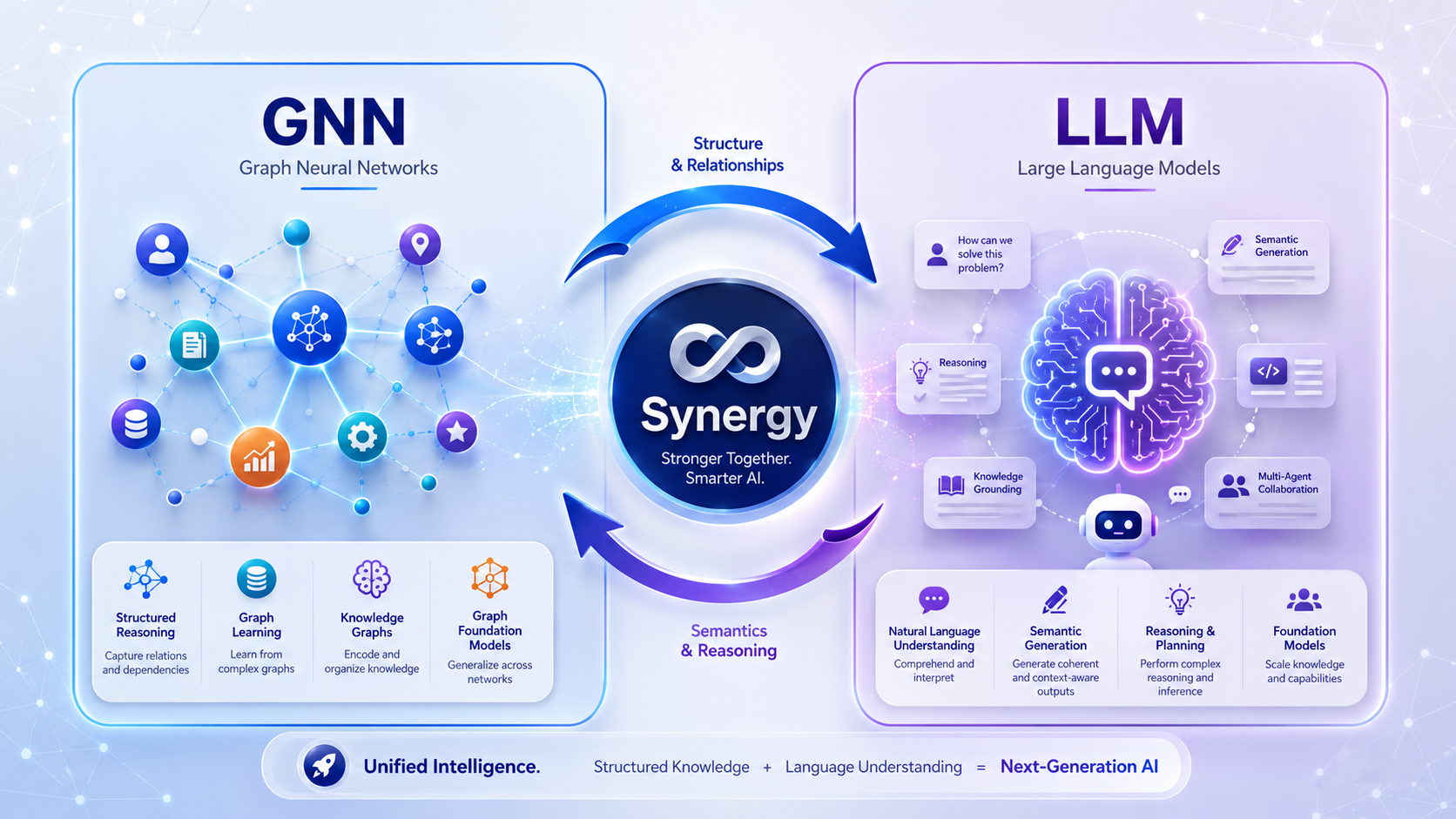
Structured Reasoning
Dynamic graph inference, graph-aware prompting, and reasoning over heterogeneous relationships.
Semantic Transfer
LLM-driven contextualization, instruction tuning, and knowledge transfer for graph learning.
Graph Foundation Models
Unifying graph structures and language models for versatile, adaptable AI systems.
Trustworthy AI
Explainability, fairness, interpretability, and high-stakes structural knowledge modeling.
ICDM 2026 Context
Designed for the data mining community, with a focused bridge between graph learning and large model research.
Topics of Interest
We welcome papers related to, but not limited to, the following directions.
LLM for GNN
Leveraging LLMs to enhance GNN capabilities.
- Enhancing graph embeddings with LLM-driven contextualization
- Improving graph knowledge representation through LLM pre-training
- Instruction tuning for graph-aware LLMs
- Zero- and few-shot graph reasoning with LLMs
- Interactive graph exploration using LLMs
- Dynamic and evolving graphs with real-time LLM reasoning
- Improving GNN generalization with LLM-based knowledge
- Cross-domain graph transfer learning by LLMs
GNN for LLM
Leveraging GNNs to enhance LLM performance.
- GNNs as inference engines for LLMs
- Graph-based reasoning for improving LLM reasoning ability
- Graph-driven language generation for knowledge discovery
- Interactive graph reasoning for dynamic query processing
- Optimizing graph-based NLP tasks with GNN-LLM synergy
- Graph retrieval and graph-augmented generation for LLMs
- Knowledge graph grounding for factual and explainable LLM output
GNN-LLM Synergy
Integrated systems for advanced AI applications.
- Graph Foundation Models
- Graph-augmented multi-modal AI for real-world applications
- Multi-agent collaboration in GNN-LLM systems
- Ethics and fairness in GNN-LLM synergy
- Explainable models for transparent decision-making
- Interpretable graph reasoning in high-stakes applications
- Trustworthy AI in sensitive domains
Program
The workshop will be held on November 12th during ICDM 2026 in the Madrid Room, Wanda Vista Shenyang.
| Time | Event | Presenter(s) |
|---|---|---|
| 13:00-13:05 | Opening Remark | Wei Ye |
| 13:05-13:45 | Keynote Speech I: RewardFlow: Topology-Aware Reward Propagation on State Graphs for Agentic RL with LLMs | Jiangchao Yao |
| 13:45-14:25 | Keynote Speech II: Graph-Structured Intelligence for LLMs and Agentic Systems | Chuxu Zhang |
| 14:25-14:45 | Paper Session I: LLM-Enhanced Heterogeneous Graph Model for Collaborator Recommendation | Qiaoyuan Luo, Biao Liu, and Xiaoyu Liu |
| 14:45-15:05 | Paper Session II: H-GenGA: Efficient Label-free Text Classification with LLM Generated Heterogeneous Graphs | João Lucas Luz Lima Sarcinelli and Ricardo Marcondes Marcacini |
| 15:05-15:25 | Paper Session III: HSG: A Hierarchical Semantic Graph Framework for Complex Table Question Answering | Tianyu Lu, Xing Ying, Xiuzhuang Zhou, and Bin Yangi |
| 15:25-15:30 | Closing Remark | Wei Ye |
Keynote Speakers
Distinguished researchers sharing recent advances in graph learning, large language models, and intelligent reasoning.

Jiangchao Yao
Associate Professor
Cooperative Medianet Innovation Center, School of Artificial Intelligence,
Shanghai Jiao Tong University, China
Title: RewardFlow: Topology-Aware Reward Propagation on State Graphs for Agentic RL with LLMs
Abstract: Reinforcement learning (RL) shows promise for enhancing LLM agentic reasoning capabilities with external environments. However, sparse terminal rewards hinder fine-grained, state-level optimization. Although process reward modeling offers a promising alternative, training dedicated reward models often entails substantial computational costs, risks reward hacking, and faces annotation bottlenecks. To address these challenges, we introduce RewardFlow, a lightweight method for estimating state-level rewards for agentic reasoning. RewardFlow leverages the intrinsic topological structure of states within trajectories by constructing state graphs. This enables topology-aware graph propagation to estimate state-wise contributions to success, yielding principled, annotation-free state-level rewards. As dense rewards for RL optimization, RewardFlow substantially outperforms prior RL baselines across four agentic benchmarks, with average success-rate gains of +6.2% on text-based benchmarks and +29.7% on visual reasoning over the strongest baseline across three model scales, and over +10% accuracy improvement on DeepResearch, while demonstrating superior robustness and training efficiency.
Bio: Jiangchao Yao is currently an Associate Professor at the Cooperative Medianet Innovation Center and is also affiliated with the School of Artificial Intelligence, Shanghai Jiao Tong University. He previously served as a part-time Research Scientist at Shanghai Artificial Intelligence Laboratory and as an Algorithm Expert at the Data Analytics and Intelligence Lab, DAMO Academy, Alibaba Group. He received his dual Ph.D. degree from Shanghai Jiao Tong University and the University of Technology Sydney in 2019. His research focuses on trustworthy machine learning and reasoning, with applications in AI for Science. He has published over 100 papers in leading conferences and journals, including ICML, NeurIPS, ICLR, and TPAMI, and authored a monograph on trustworthy machine learning. He has served as an Area Chair for ICML, NeurIPS, and ICLR, and as an Action Editor for Transactions on Machine Learning Research and Neural Networks. He is an IEEE Senior Member, a recipient of the 2023 First Prize of the Ministry of Education Science and Technology Award, and a 2025 MSRA StarTrack Scholar.

Chuxu Zhang
Associate Professor
School of Computing, College of Engineering,
University of Connecticut, USA
Director, Machine Intelligence and Data Science (MINDS) Lab
Title: Graph-Structured Intelligence for LLMs and Agentic Systems
Abstract: Large language models usually treat knowledge as flat sequences of tokens, yet much of what they learn and reason over is structured. This talk shows how making that structure explicit as graphs strengthens both LLM training and agent reasoning. I will first present MASS, which builds a mathematical skill graph to guide pretraining data selection and matches full-data performance with 50–70% fewer tokens. I will then introduce MAGIC-Video, which equips agents with a multimodal memory graph and a narrative memory chain for ultra-long video reasoning, outperforming prior agentic systems by up to 10 points. I will also discuss graph-based approaches to agentic action and multi-agent systems, and conclude with open directions for structure-aware foundation models and agents.
Bio: Chuxu Zhang is a tenured Associate Professor in Computer Science and Engineering at the University of Connecticut, where he directs the Machine Intelligence and Data Science (MINDS) Lab. His research focuses on artificial intelligence and its interdisciplinary applications, particularly foundational, efficient, and trustworthy AI models for language, graph, spatiotemporal, and multimodal data. His recent work explores graph foundation models, large language models, and agentic intelligence, with applications in healthcare and industrial systems. He received his Ph.D. in Computer Science and Engineering from the University of Notre Dame in 2020. His research has appeared in leading conferences, including NeurIPS, ICML, ICLR, KDD, and ACL, and has received multiple best paper awards or nominations. He is a recipient of the NSF CAREER Award and has served as an Area Chair for major AI conferences and an editor for leading machine learning and data mining journals.
Important Dates
All dates are Anywhere on Earth unless otherwise specified. Please follow the ICDM 2026 official website for final confirmation.
2026
Workshop Paper Submission
Submissions should follow the ICDM 2026 CyberChair workshop submission website.
2026
Workshop Paper Notification
Acceptance notifications to authors.
Camera-ready Deadline
Camera-ready instructions and copyright-form details will be updated.
2026
ICDM 2026 Conference
Workshop date within the conference program will be announced.
Submission
Please follow the official ICDM 2026 submission website and the CyberChair workshop submission system.
Paper Preparation and Online Submission
Authors should prepare manuscripts using the IEEE 2-column conference format. Final page limits, review mode, proceedings requirements, registration rules, and camera-ready instructions should follow the official ICDM 2026 workshop policy.
Manuscripts should be submitted electronically through the ICDM 2026 CyberChair workshop submission system. The link below points to the ICDM 2026 workshop submission page; after the GNN-LLM-SYN workshop-specific subarea code is officially assigned, it can be replaced by the corresponding direct CyberChair submission link.
Review and Evaluation
- Submissions will be evaluated according to the official ICDM 2026 workshop review policy.
- Authors should follow the ICDM 2026 policies on formatting, conflicts of interest, overlapping submissions, and use of AI tools.
- The workshop will update this section if ICDM 2026 releases workshop-specific review requirements.
Proceedings and Registration
- Proceedings inclusion, publication requirements, and registration rules should follow the official ICDM 2026 workshop instructions.
- Accepted-paper presentation requirements will be updated according to the ICDM 2026 workshop policy.
- The workshop-specific direct submission URL should be added after the official CyberChair subarea code is confirmed.
Organization
Program Co-Chairs, Publicity Co-Chairs, and Program Committee Members for the workshop.
Program Co-Chairs
Core workshop leadership and scientific coordination.
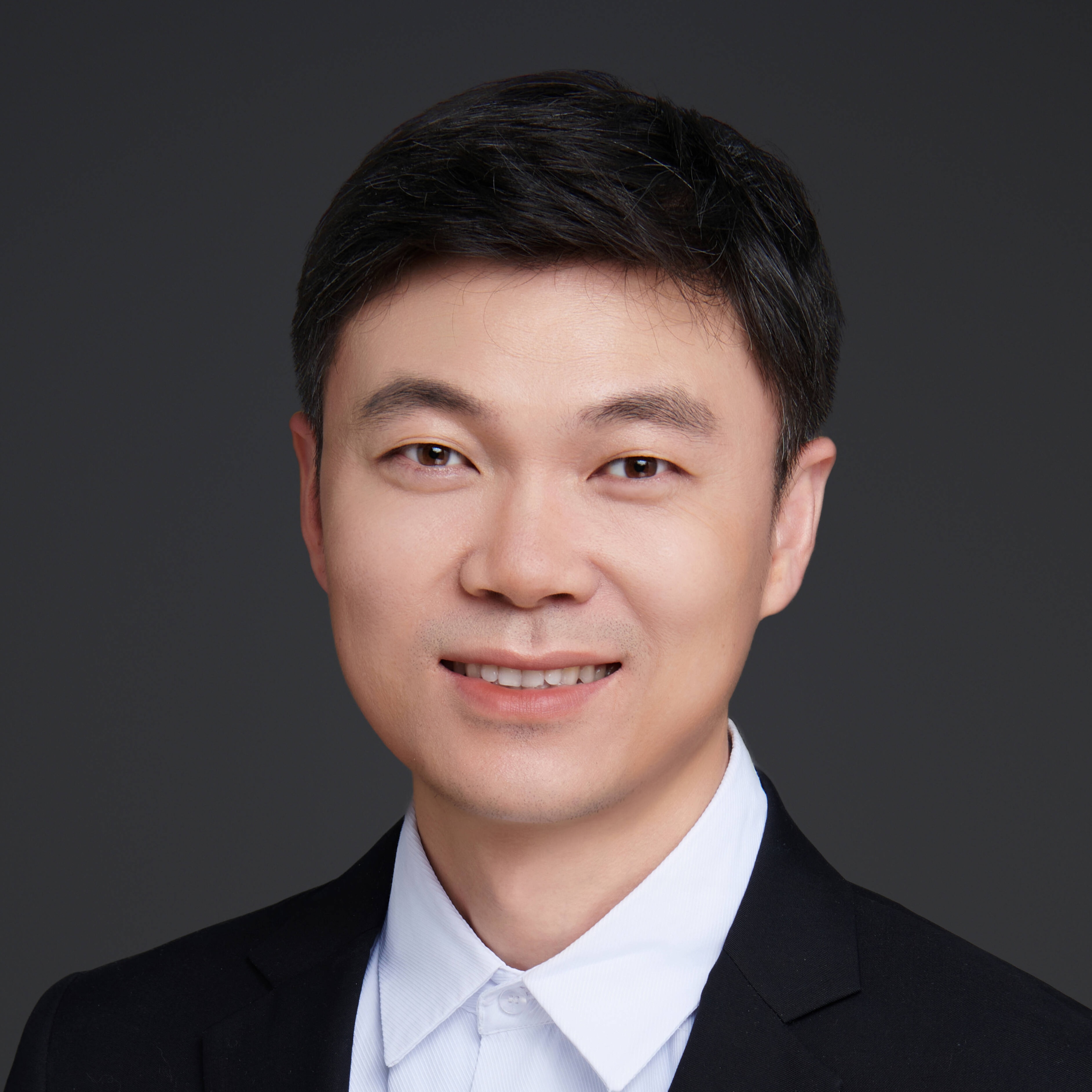
Wei Ye, PhD Program Co-Chair Tenure-Track Professor Tongji University, China Data mining · Graph machine learning · Network science
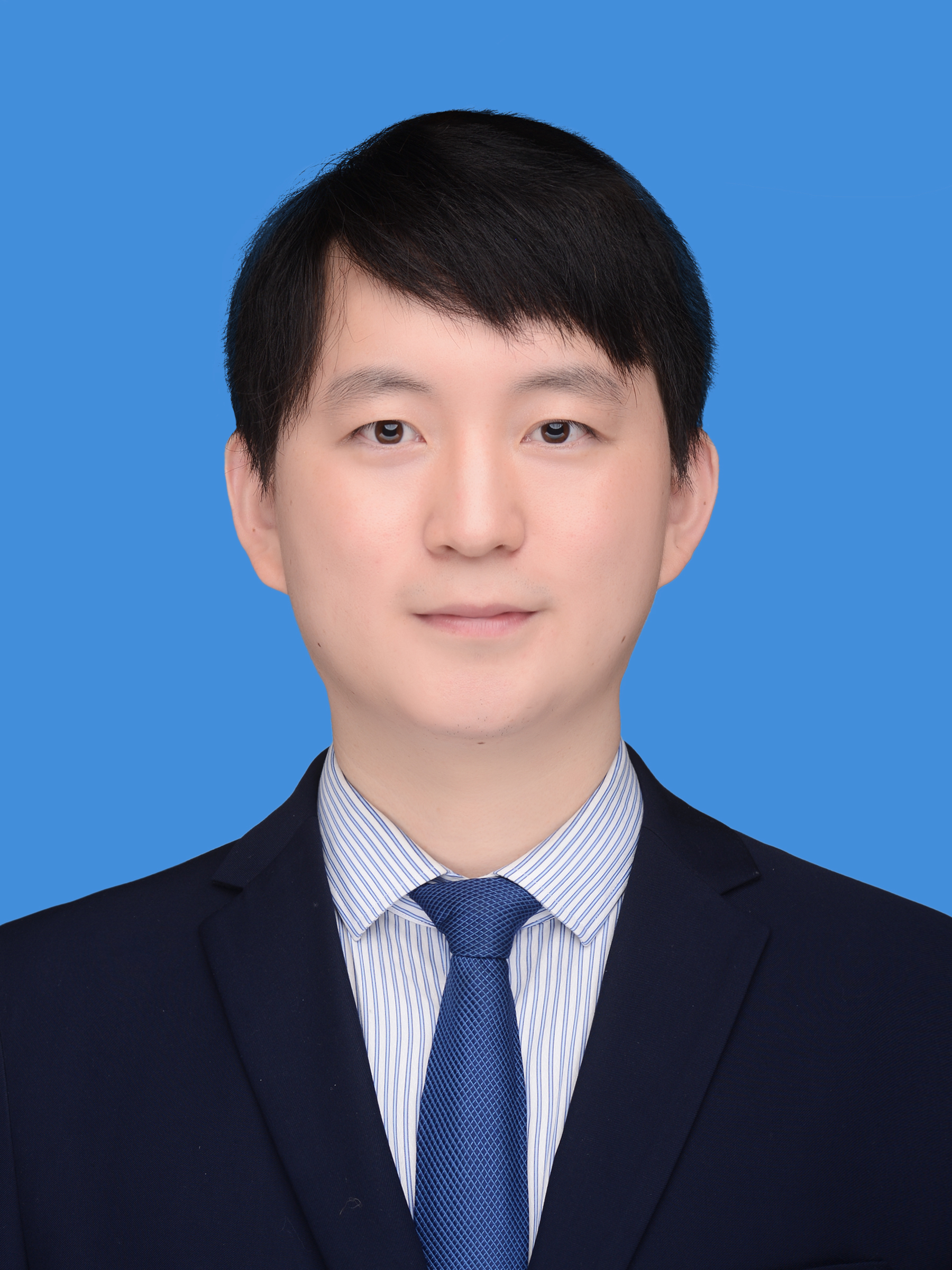
Xiaofeng Cao, PhD Program Co-Chair Associate Professor Tongji University, China PAC learning theory · Optimization · Hyperbolic geometry
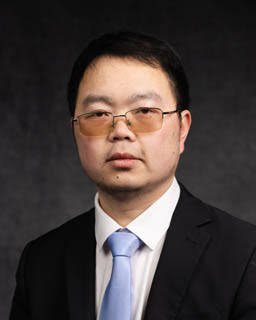
Wenpeng Yin, PhD Program Co-Chair Tenure-Track Assistant Professor Pennsylvania State University, USA Deep learning · NLP · Large language models

Sourav Medya, PhD Program Co-Chair Tenure-Track Assistant Professor University of Illinois Chicago, USA Graph machine learning · Explainable AI · Network science
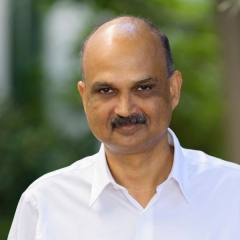
Ambuj Singh, PhD Program Co-Chair Professor of Computer Science University of California, Santa Barbara, USA Network science · Data mining · Bioinformatics · Graph querying
Publicity Co-Chairs
Website, outreach, communication, and community visibility.

Xing Wei Publicity Co-Chair Tongji University, China Graph Neural Network · Domain Adaptation · Large Language Model
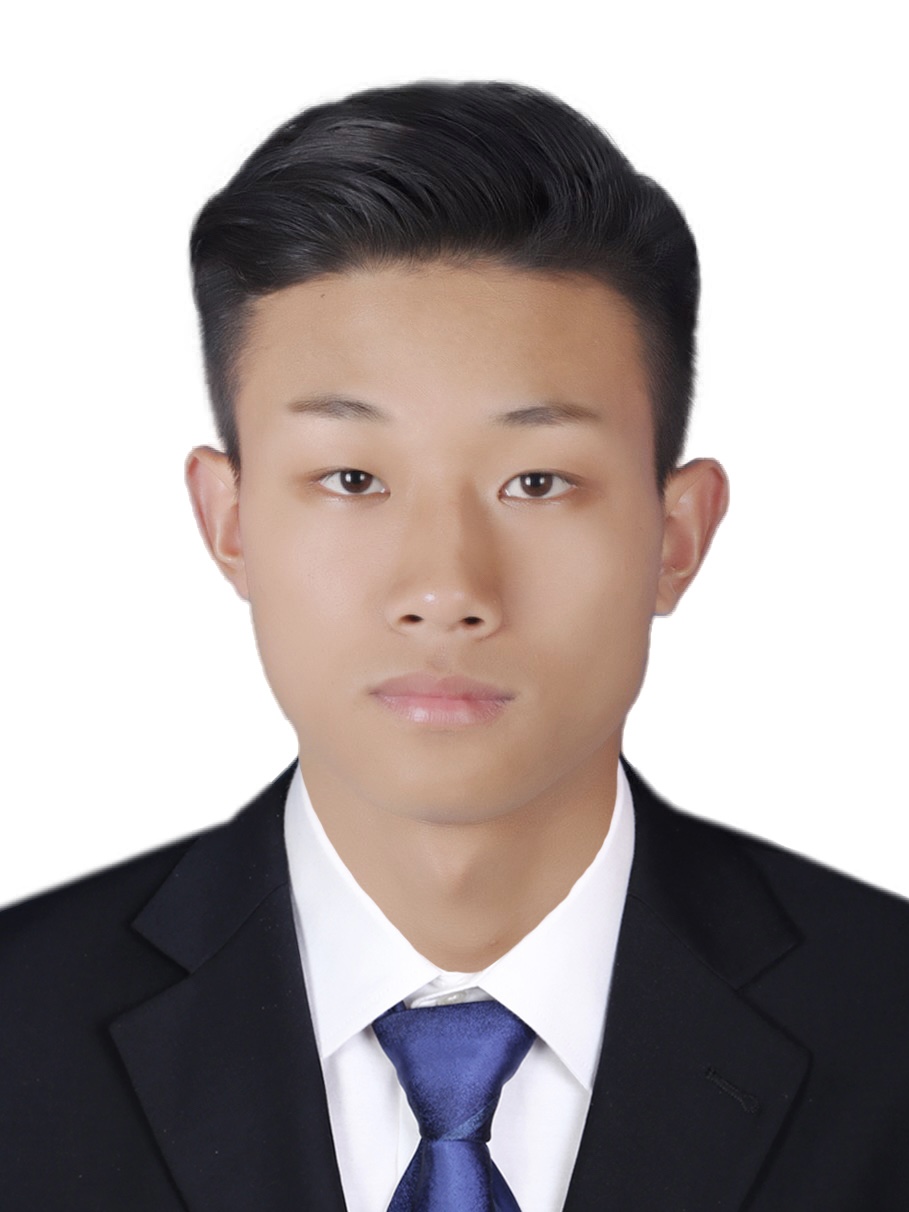
Chunchun Chen Publicity Co-Chair Tongji University, China Graph machine learning · Adversarial learning · AI for life
Program Committee Members
Current list preserved from the proposal version.
- Wengang Guo — Tongji University
- Jiayi Yang — Tongji University
- Yue Niu — Tongji University
- Zhaokai Sun — Tongji University
- Yang Liu — Shanghai Innovation Institute
- Jinyang Wu — Shanghai Innovation Institute
- Tongbo Guo — Tongji University
- Chenyi Xiong — Tongji University
- Maozheng Li — Tongji University
- Bohan Li — Tongji University
- Ziyang Zhu — Tongji University
- Zhengxuan Chen — Tongji University
- Jingsong Ai — Tongji University
Contact
For questions about the workshop, submissions, keynote participation, or website updates.
Workshop Contact
Wei Ye
Tongji University, Room 254, Zhixin Building, Cao'an Highway 4800, Jiading District, Shanghai 201804, China
Email: yew@tongji.edu.cn
Additional contact emails can be added here if the organizing team wants a shared workshop mailbox.